Jet Fuel Shortage: Lufthansa Cuts 20,000 Flights, Jet2 Tells Passengers Holidays Are On
Lufthansa is cutting 20,000 flights from its summer schedule as jet fuel prices double, while Jet2 assures worried passengers their holidays will go ahead. Here is what the fuel crisis means for UK travellers.
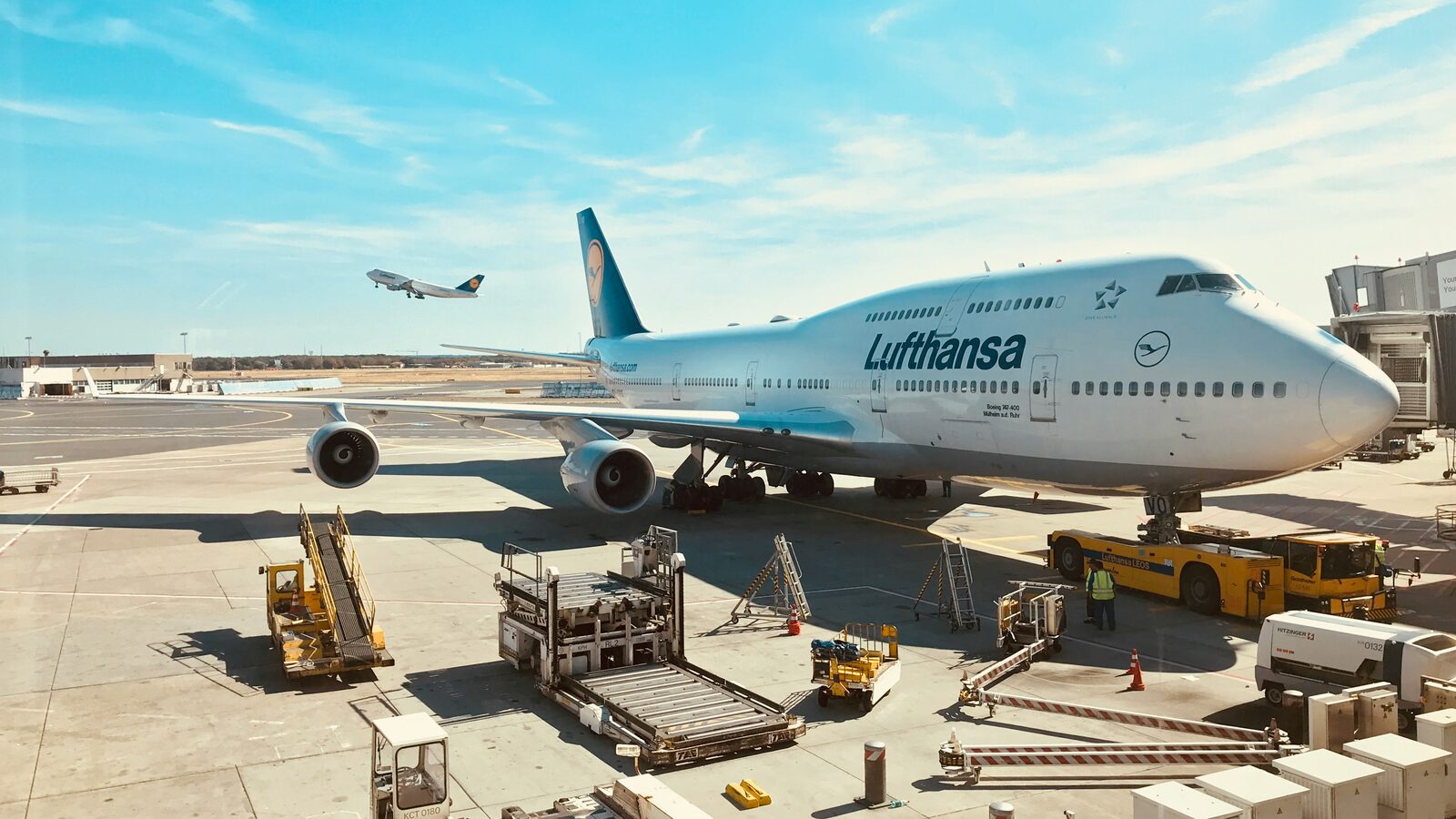
The conflict in Iran has sent jet fuel prices soaring, and two of Europe's biggest carriers are responding very differently. Lufthansa has announced it will cut 20,000 flights from its summer schedule, while Jet2 is telling British holidaymakers that all of its flights will operate as normal. Here is what UK travellers need to know about the fuel crisis, how airlines are reacting, and whether your booked holiday is at risk.
What has happened with jet fuel prices?
Jet fuel prices have roughly doubled since the start of the conflict in Iran, which has restricted tanker traffic through the Strait of Hormuz. A significant share of global oil supply passes through that waterway, and disruption there pushes prices up right across the aviation industry.
Fatih Birol, executive director of the International Energy Agency, warned in mid-April 2026 that Europe has approximately six weeks of jet fuel reserves left and described the situation as the largest energy crisis we have ever faced. Airports Council International Europe, which represents more than 600 airports, has warned that a systemic jet fuel shortage could become a reality for the EU if passage through the Strait of Hormuz does not stabilise within three weeks.
Stop overpaying for airport parking. Compare prices across all UK airports and save up to 60% when you book in advance.
Lufthansa cuts 20,000 flights
Lufthansa announced on 21 April 2026 that it is cutting 20,000 short-haul flights from its summer schedule, running through October 2026. The first wave of cancellations, roughly 120 flights per day, began on Monday 20 April and will continue until 31 May. Affected passengers have already been notified directly.
The airline says the move will save more than 40,000 metric tons of jet fuel and represents less than one per cent of the Lufthansa Group's available seat kilometres. The cancellations are concentrated on unprofitable short-haul routes from its main European hubs: Frankfurt, Munich, Zurich, Vienna, Brussels and Rome.
Some smaller destinations, including Bydgoszcz and Rzeszów in Poland and Stavanger in Norway, have been temporarily dropped from the timetable. Other services are being rerouted through alternative Lufthansa Group hubs. The airline has emphasised that global and long-haul connections will largely remain available, with short-haul capacity being consolidated to operate more efficiently.
Lufthansa is also grounding older, less fuel-efficient aircraft, and the retirement of its CityLine subsidiary's 27-plane fleet has been brought forward. Revised schedules covering the rest of the summer season are expected to be published in late April or early May.
The airline says its fuel supply is secured for the coming weeks through physical procurement and price hedging, although roughly 20 per cent of its fuel is bought on the open market where prices have climbed sharply.
Jet2 tells passengers flights will operate as normal
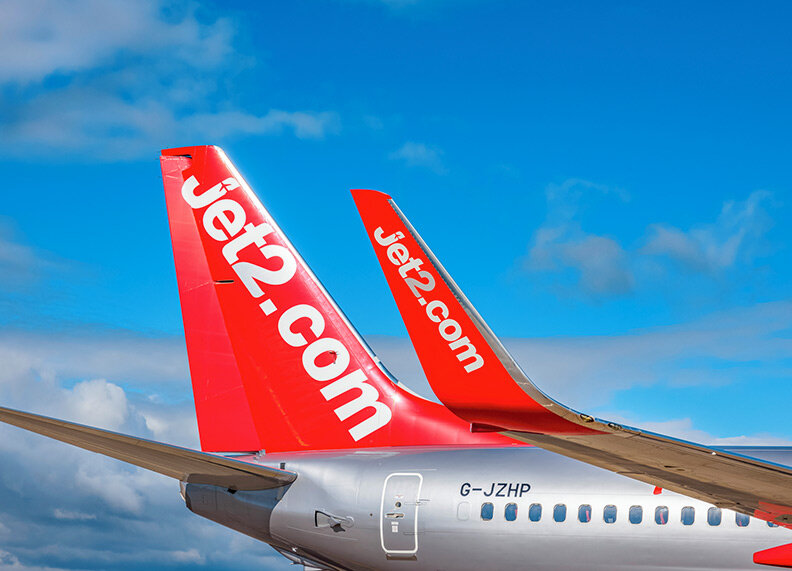
Jet2 has taken a markedly different public line. Worried holidaymakers who have flights booked for June 2026 and later have been contacting the airline on social media after reports of potential airport fuel shortages. Jet2 has replied to them directly, confirming that all flights are planned to go ahead as scheduled.
One response from Jet2 read: "Hi, all flights are planned to go ahead as normal. If anything were to change regarding your booking, we would be sure to reach out to you directly to make you aware, and discuss the options available to you."
Similar replies have been issued to travellers asking whether it is safe to book a summer holiday. The airline has stressed that if any disruption did occur, customers would be contacted directly to discuss their options.
Jet2 documentation change explained
Jet2 has also changed its policy for sending holiday documentation. Travellers are now receiving their travel documents 14 days before departure, instead of the previous 28 days. The airline has confirmed this change is genuine and is not related to the fuel situation, although the timing has caused some confusion.
Flying early? Don't risk the traffic. Stay minutes from the terminal with park & fly packages included.
What other airlines are saying
Other carriers serving UK airports have given mixed messages about the fuel situation.
easyJet
Kenton Jarvis, chief executive of easyJet, said all airports served by the carrier are operating as normal. He noted that airlines typically have three to four weeks of visibility on fuel supply and that easyJet currently has visibility into mid-May with no concerns. Javier Gándara, easyJet's chief executive for Spain and Portugal, added that producers and airports anticipate no supply problems for the next three or four weeks but cautioned that no one would be immune if the conflict is prolonged.
Ryanair
Michael O'Leary, chief executive of Ryanair, has been more blunt. He warned that disruption could start as early as May if the war continues. Ryanair has hedged around 80 per cent of its fuel requirements but is paying nearly double for the remaining 20 per cent. O'Leary said there is a reasonable risk that 10 to 25 per cent of Ryanair's fuel supplies could be affected through May and June if the conflict drags on.
TUI and Loganair
TUI Airways said it is closely monitoring the situation in the Middle East but was not anticipating any immediate disruption to its flight schedules or holiday programmes. Loganair, the UK regional carrier, has not taken immediate action on fuel restrictions and is monitoring the situation to avoid significant fare increases.
What the UK government says
Parliamentary Under Secretary for Transport Keir Mather told MPs that the government is monitoring the impact of the conflict on fuel supplies, including jet fuel. He said there is no immediate cause for concern relating to fuel stocks and that many airlines lock in fuel prices in advance to protect against price spikes.
A government spokesperson added that officials are engaging with British airlines and working with international allies to see the Strait of Hormuz reopened to normal traffic as soon as possible.
What this means for your flight
If you are flying with Lufthansa between now and 31 May and have not heard from the airline, your flight is almost certainly still operating as planned. Affected passengers have already been contacted directly. If you are still unsure, check the status of your booking via the Lufthansa app or website.
If you are booked with Jet2 for a summer 2026 holiday, the airline's position is clear: flights will operate as normal and the airline will contact you directly if anything changes. You do not need to call the airline unless you have specific concerns about your booking.
For travellers flying with easyJet or Ryanair from UK airports such as Manchester, London Gatwick, London Stansted or London Luton, both airlines have said their operations are running normally at present. Keep an eye on your booking status in the days leading up to travel and make sure the airline has your current contact details.
Should you still book a summer holiday?
Every UK airline we have spoken to, including Jet2, easyJet, Ryanair and TUI, has said its flights are currently operating as normal. Industry bodies are clearly concerned about what could happen if the conflict continues beyond a few more weeks, but there is no sign of widespread disruption at the moment.
Some sensible steps before you book or travel:
- Book with a package holiday operator or ATOL-protected provider. If flights are cancelled, package holiday rules mean the operator is responsible for getting you to your destination or providing a full refund.
- Take out travel insurance as soon as you book. Look for a policy that covers airline failure and disruption caused by unforeseen events.
- Pay with a credit card where possible. Purchases over £100 made on a credit card have Section 75 consumer protection in the UK.
- Keep your contact details up to date with the airline. If your flight is affected, the airline will only be able to reach you if your email address and phone number on the booking are current.
- Check your flight status the day before you travel. Airlines usually confirm schedule changes several days in advance, but last-minute updates are always possible.
Sources
- Jet2 gives update to passengers who have holidays booked for June (Daily Record, April 2026)
- Lufthansa cuts 20,000 flights amid soaring jet fuel costs (Sky News, April 2026)
Have you had a flight affected by the fuel crisis? We would love to hear about your experience, email us.
Written by
WhichTerminal Team